The Ultimate National Park Packing List: What to pack when going to a National Park
I have visited many US national parks during my trips there, one of my favourites being Bryce Canyon National Park, but I have also visited many National Parks in countries around the world. I love to explore and be in nature but preferably when there is no rain. Being from England though, I know how important it is to have the correct gear when you travel and I hope this National Park Packing List will help you to make sure you have all the correct things when you visit a US National Park.
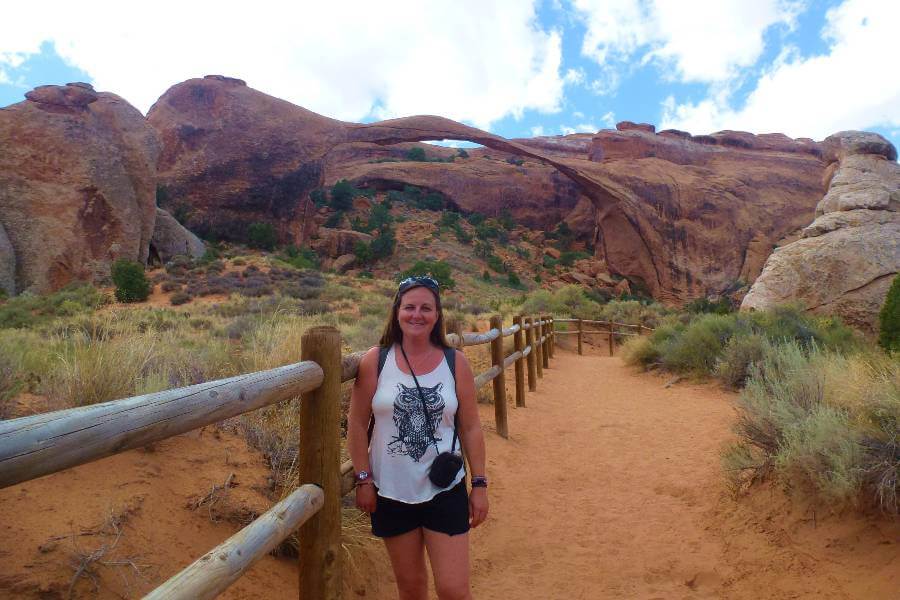
Dreaming of exploring All 63 US National Parks! Download Your FREE Checklist and Start Ticking Them Off One by One!
National Park Pass
If you are planning on visiting one of the 63 US National Parks then I recommend that you buy your national park pass in advance, though there is no fast queue for entering the parks for people with passes. If you plan to visit more than 3 national parks within a year then you will save money as it is only $80.
It can be bought online or at the entrance to the park you visit.
Things to consider when visiting a National Park
When you are deciding what to pack for visiting a National Park you will need to consider the time you are visiting. Obviously if you are planning to visit during winter then what you would need is different to what you would need to pack for a summer trip. You also need to consider if you are planning to be hiking in water or through any water courses, then maybe you would need to pack some water shoes.
National Park Packing List for Summer Vacation
If you are planning a trip to a National Park in summer then generally it is warm during the day but it can be cold at night. I recommend that you have layers with you, that you can remove or add depending on the weather.
National Park Clothing and Footwear
Having the correct summer hiking gear can really make a trip, so it is best to be prepared, if you have new footwear then it is best to wear them for a few days to break them in and check that they fit your feet correctly so that you are not suffering with blisters during your trip.
* This article contains affiliate links. This means that if you make a purchase after clicking on the link, I may receive a small commission at no extra cost to you. *
Hiking Boots

Hiking Shoes
If you don’t want to do any multi day hikes then hiking shoes are a great option, they provide good support (though not as much ankle support as the boots) and are lightweight. I normally use hiking shoes for day hikes, though if I know a path is quite rocky or uneven I would go with the boots. Hiking shoes also take up less room if you are limited on how much space you have for packing.
Water Shoes
If you are planning on hiking through water at any national parks or maybe white water rafting then water shoes are a great ide. These are quick drying and for all seasons.
Hiking Socks
Hiking socks are just as important as shoes/boots. If you don’t have a good pair then you can end up with many blisters. In summer a lighter pair can be used but they help cushion your feet and reduce blisters. Great hiking socks.
Headband for hiking
Headbands are great to use while hiking, they stop sweat dripping into your eyes on those hot hiking days and also they keep your hair out of your eyes if you don’t have it tied back.

Sunhat or Sun Cap
The summer in National Parks can be very sunny and very hot. Often there is little shade and so it is very important to make sure that you have a sunhat or sun cap covering your head. It is very easy for your head to burn which can cause you to get sunstroke.
Sunglasses
As it can be very sunny during summer it is very important to use sunglasses to protect our eyes from sun, it also reduces the amount of crows feet we have around our eyes as we won’t be squinting as much.
Waterproof Jacket
No matter what time of year you visit a National Park, a waterproof jacket is needed. In some areas it is more likely to rain in summer and so it is best to be prepared and to have a waterproof jacket with you. Always check the weather forecast beforehand and if rain is forecast then make sure to pack that jacket on your day trip.
Fleece
Even in summer it can be quite cool early morning and late evening depending on where you are visiting, so it is best to have layers and a fleece with you on your trip. You can check the forecast to see where you need to take it with you on a particular day trip.
Light long sleeved top
I am a fan of wearing layers when I am hiking and a light long sleeved top can act as a sun protector when it’s a light colour and also keep me warm if it’s slightly cool. Light top’s as well can also be quick drying so that if you are sweating a lot or get caught in a rain shower it will quickly dry so you don’t feel cold.
Short sleeved t-shirt
T-shirts are a great option to keep cool during hot days and especially when hiking in National Parks. If it’s sunny make sure you apply often plenty of sunscreen.
Sports Bra
While exercising a sports bra can be much more comfortable than a regular bra and are much more supportive while doing exercise or hiking in parks.
Quick Drying Pants for hiking

Leggings
Some women prefer leggings for hiking as they are more comfortable than hiking pants, they are also great for travelling in. I personally always travel in leggings.
Shorts
If it is a hot day then shorts are a great option, or if you need to walk through a river at any time. If it’s very sunny though make sure you apply plenty of sunscreen.
What to pack for National Parks – Toiletries
Sunscreen
If you are visiting National Parks in summer then you cannot forget sunscreen. In the US some of the parks reach over 100°F in summer, so applying sunscreen regularly is a must.
Mosquito Spray or you can try the Mosquito Repellent Bracelets
Mosquitos can also be a big problem during summer in many National Parks. Some people are loved by mosquitos and if you are only of those lucky ones as I am then using either mosquito spray or the Mosquito Bracelets is a necessity.
Lip Balm
Our lips can get very dry in the summer heat and it is a great idea to apply lip balm regularly and preferably one with an SPF factor so that our lips don’t get burnt.
National Park Gear Packing List
Backpack
It is essential whilst you are visiting National Parks that you use a backpack, we need somewhere to put all our clothing, snacks, equipment and water. You need to make sure you find the right backpack for yourself or otherwise it can be quite uncomfortable.
Dry Bag
I personally think dry bags are essential when we visit a national park as if you need to cross a river or there is a heavy downpour then this will protect all our electronics and keep any extra clothing we have in our bag dry.
Hiking Poles
Hiking poles are not essential in many national parks but if you are hiking on uneven ground, climbing up and down a large elevation or doing longer trails then they can certainly make it easier.
Head Lamp
It is always good to have a headlamp with you especially in case you get lost and it becomes dark before you get to the end of a trail or there might be a cave you want to explore.
Camelback Backpack, Water Bottles or Water Filtration Bottle
Water is an essential and you need to make sure that you have at least 2 litres with you before you start any hike. Before you visit a national park check to see if there are any water filling stations and where are they so that you can fill your reusable water bottle, and if there are places to buy water within the park.
If not then make sure you are carrying sufficient water for the day in a camelback backpack or travel with a water filtration bottle. If you are doing longer hikes then water filtration bottles are a great idea as you can fill up from a river or lake.
Camera
National Parks are stunning and you will want to take hundreds of photos while you are visiting them, so make sure you have a good camera and get some great pics. I love my panasonic camera.
Phone
Phones nowadays have great cameras and so unless you are wanting specific features of a camera we can use our phones to record those special moments.
Fitbit Watch
I love to check how many steps I have done in a day with my fitbit watch and it can be surprising walking around a national park how many steps you will do. You can also buy different straps for the fitbit’s meaning they can look either sporty or dressy.
External Charger
There is nothing worse than your phone dying just as you want to get that perfect shot so make sure you have an external charger so you that you can charge your phone to take all the photos you want.
First Aid Kit
A first aid kit is an essential on any hike, you never know when yourself or someone else may have an accident and it might be needed.
Compass & Whistle
If you plan on hiking backcountry then it’s a great idea to have a compass & whistle with you in case you become lost. If you have a whistle and you are injured then you can also use this to signal for help.
National Park Summer Vacation Packing List – Snacks and Water
Before you go to a National Park research where there are any food outlets or shops to buy snacks and water. Many parks do not have any of these facilities, though many do have water filling stations in certain areas.
Take plenty of snacks with you, if you are hiking then you need to keep up your energy levels and if you spend longer doing a hike than expected then it’s good to have more snacks that you think you need. Protein bars, bananas and cookies are great to keep your energy levels up.
If there are no facilities for buying lunch then make sure you have brought a packed lunch with you.
Remember to ALWAYS take out of the park any rubbish/trash you have.
- Food – breakfast, lunch, dinner depending on the time you are spending in the park and if there are facilities or not to buy food within the park
- Snacks – Protein bars, bananas, cookies
- Water – minimum 2 litres
What to wear in a National Park in Spring/Fall (April, May, September & October)
If you are planning on spending time visiting National Parks during Spring or Fall then make sure you have plenty of layers packed as listed above. It can be very cold in the mornings in spring and fall and cold once the sun sets. Also the days will be shorter, though it could be quite warm in the sun.
During Spring & Fall there could be a lot of rain so make sure that you have your rain jacket packed too.
National Park Winter Packing List – November to March
Winter can be a great time to visit a National Park, though not all national parks are open during winter months. Please check before your trip if the park is open or not.
During winter, the parks are much quieter though they are a lot colder than in summer. The days are also a lot shorter. It can be sunny but you need to ensure that you have plenty of winter clothing in the way of layers, a thick fleece, warm jacket, winter hat and gloves especially around sunrise and sunset.
Thick Jacket
If you are visiting in winter then the weather can be very cold so a thick jacket to keep you warm is essential, along with other layers.
Winter hat
If you are planning to visit a National park in winter then you will definitely need a warm hat, the wind can make it feel a lot colder than it actually is and as there is little shelter in many of the park you will certainly start feeling the cold quickly. If you suffer from ear ache during winter, then try these great ear muffs.
Gloves
Another essential during winter is gloves as it can be cold in the morning and during the evening. You can even buy gloves that don’t need removing and you can still use your phone, so you can still take lots of amazing photos, without your fingers freezing!!
National Park Passport

Don’t forget to pack your National Park Passport so that you can get stamps from each National Park to show that you have been there. You can either buy this online or in the shop at the National Park you visit. (Be warned, they don’t always have them in stock.)
US National Park Guide Books
If you want to read more about the 63 National Park’s in the US then check out this book “Complete Guide to all 63 US National Parks“. It can also we useful to have the book to check the opening times of parks and decide beforehand which hikes you want to do and in which order.
Frequently Asked Questions
When to visit National Park’s
I visited many national park’s during different trips to the US, having travelled to them any time from May to December. When I visit a national park I prefer to be there when it’s not high season, so that I can enjoy the parks with fewer people.
I know though that everyone is not as lucky as me to be able to choose when I am on vacation and some people only have chance to visit National Parks during holidays when they are usually very busy.
If this is the only time that you can go, then I recommend researching ahead of time, work out exactly what order you want to do hikes so that you can plan for your trip. A lot of the popular parks like Zion National Park and Arches National Park, if you visit during holidays it is best to get there as early as you can, around 6am. Any later and you may not be able to enter the park or might be queuing for hours.
The first thing I recommend is that when you arrive to a National Park, to stop at the National Park visitor’s centre, to speak to the rangers who work for the national park service about which hikes you have time to do and what there is to do in that particular park. You can find out which hikes are suitable given how much time you have or the weather conditions for that day.
You can also pick up a map of the park which details all the hikes, the viewpoints you can stop off and the places to park for each of the places and it also makes a great souvenir. If you are arriving before the visitor center opens then make sure you have planned your day and have all the information you need ahead of time.
Not all National Park’s in all countries have visitors centres, so you might need to do research at home about the different hikes available and what to do in those parks before you start your trip.
I hope you find this guide on what to pack for National Park’s useful and if there is anything I have missed, let me know in the comments below.
Do I need Travel Insurance for National Parks?
If you are from outside of the USA, then you need to make sure that you have travel insurance in place before you travel to the USA. Accidents can happen and hospital fees in the USA are crazy, you don’t want to be left hundreds of thousands of dollars out of pocket because you hadn’t bought any travel insurance. I would never consider travel to the USA without it.
If you have not bought a policy yet then go to World Nomads for a quote, this cover can be bought before your trip or unlike most policies cover can be bought from them once your trip has commenced. I personally have used them many times during my travels.
Pin it and save it for later
Disclaimer: Ilive4travel is a participant in the Amazon Services LLC Associates Program, an affiliate advertising program designed to provide a means for sites to earn advertising fees by advertising and linking to amazon.com and its partners. Amazon and the Amazon logo are trademarks of Amazon.com, Inc. or its affiliates. As an Amazon Associate, I earn from qualifying purchases. Thank you for supporting Ilive4travel when you use the links.